Deepak Rajan
Design Head

For our service
enquiry@designarcinteriors.com
Jobs & career
For the vendors

Design Head
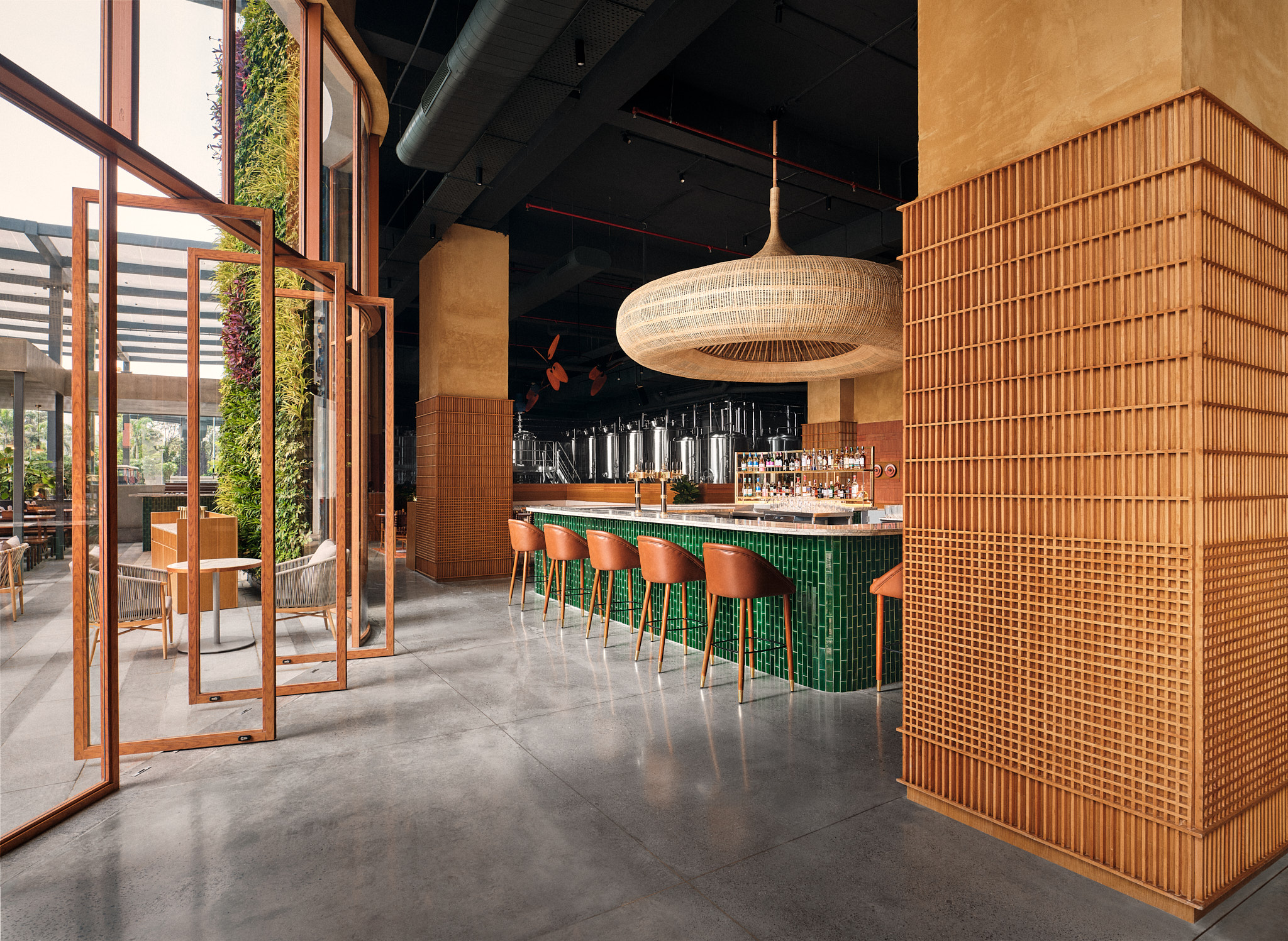


What Has Changed in Indian Office Design Going Into 2026?
1. Activity Based Work Zones (ABW)
2. Hybrid Collaboration Pods
3. Biophilic Recharge Zones:Bringing Nature Into Indian Workspaces
4. Smart Lighting Ecosystems
5. Modular Workstations
6. Acoustic Mapping for Noise Control
7. Experience-Driven Reception Areas
8.EmployeeWellness Rooms
9.Sustainable and Locally Sourced Materials
10.Multi-Functional Meeting and Training Spaces
How Design Arc Interiors Delivers These Ideas for Indian Businesses
India's return-to-office story is unlike most of the world. CBRE's 2025 India Office Occupier Survey found that 94% of Indian companies expect employees to be in office at least three days a week, with 52% now running a fully office-first policy — up from 36% in 2024. This is significantly higher than the global average, and it changes what Indian offices need to deliver.
When the commute is non-negotiable, the office must justify itself. Three demands are now shaping what Indian businesses ask for from their designers:
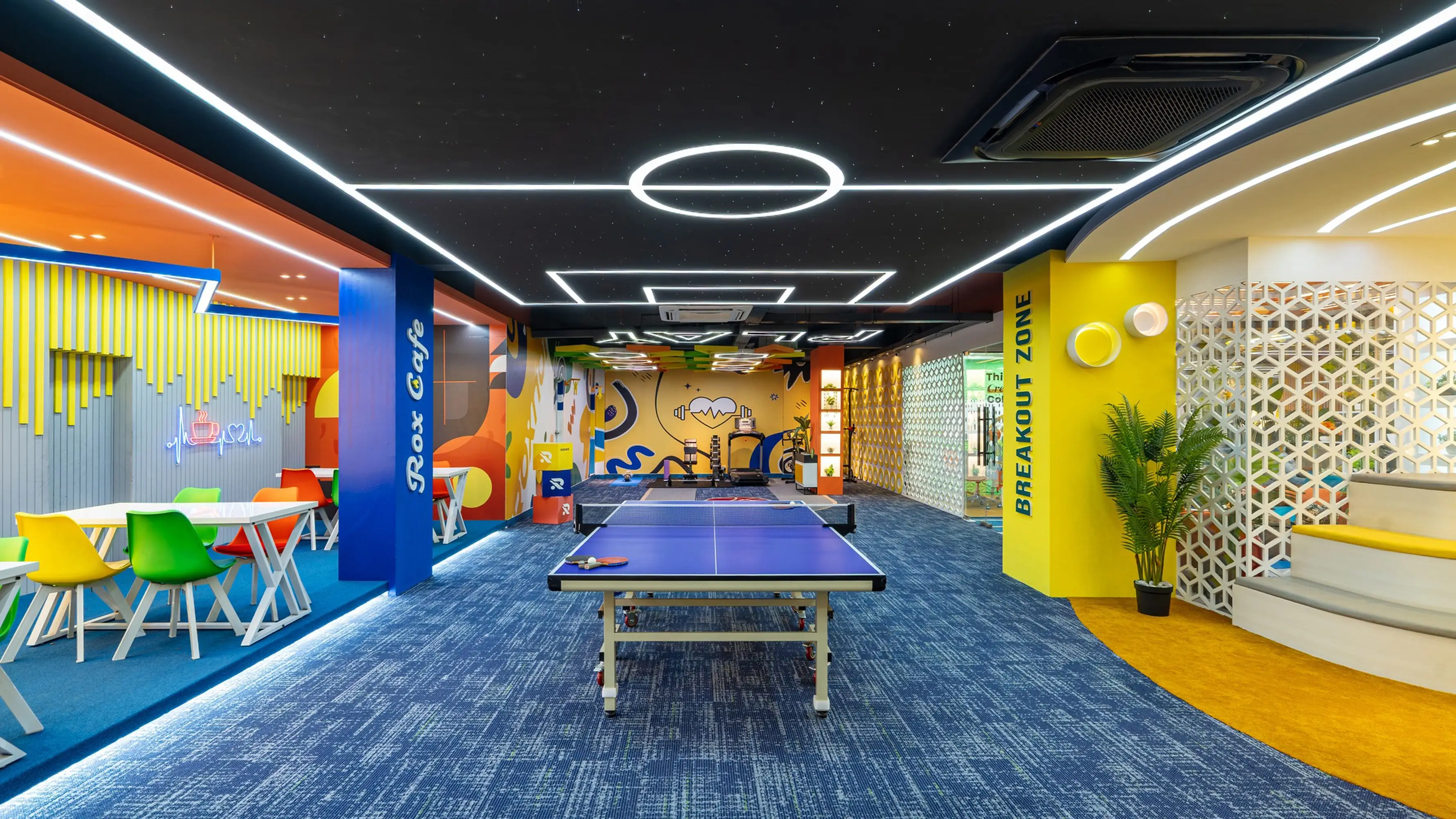
Activity-Based Working is a workspace model that replaces fixed, assigned desks with a range of purpose designed zones - each built for a specific type of work. A focused writing task calls for a quiet pod with acoustic panels. A team brainstorm calls for a lounge with writable walls. A client call calls for a private booth. Rather than anchoring employees to a single desk regardless of what they are doing, the ABW model lets the nature of the task determine where someone sits.
In Indian offices,particularly in technology, consulting, and financial services — this model has proven highly effective. Our team applied ABW principles in the Buzzworks Coworking project (40,000 sq ft, Bangalore), where the layout reduced the total desk count by 18% while simultaneously increasing usable collaboration space by 30%. The result was a more dynamic, better-utilised floor plan at lower cost per seat.
| Pros | Cons |
| Improves space utilisation by 15–25% | Requires change management — staff resist losing named desk |
| Reduces real estate cost per employee | Needs locker infrastructure for personal storage |
| Increases cross-team interaction organically | Not ideal for roles needing fixed dual-monitor setups |
Implementation cost in India: ₹1,200–₹1,800 per sq ft for a full ABW fitout with zone-specific furniture.
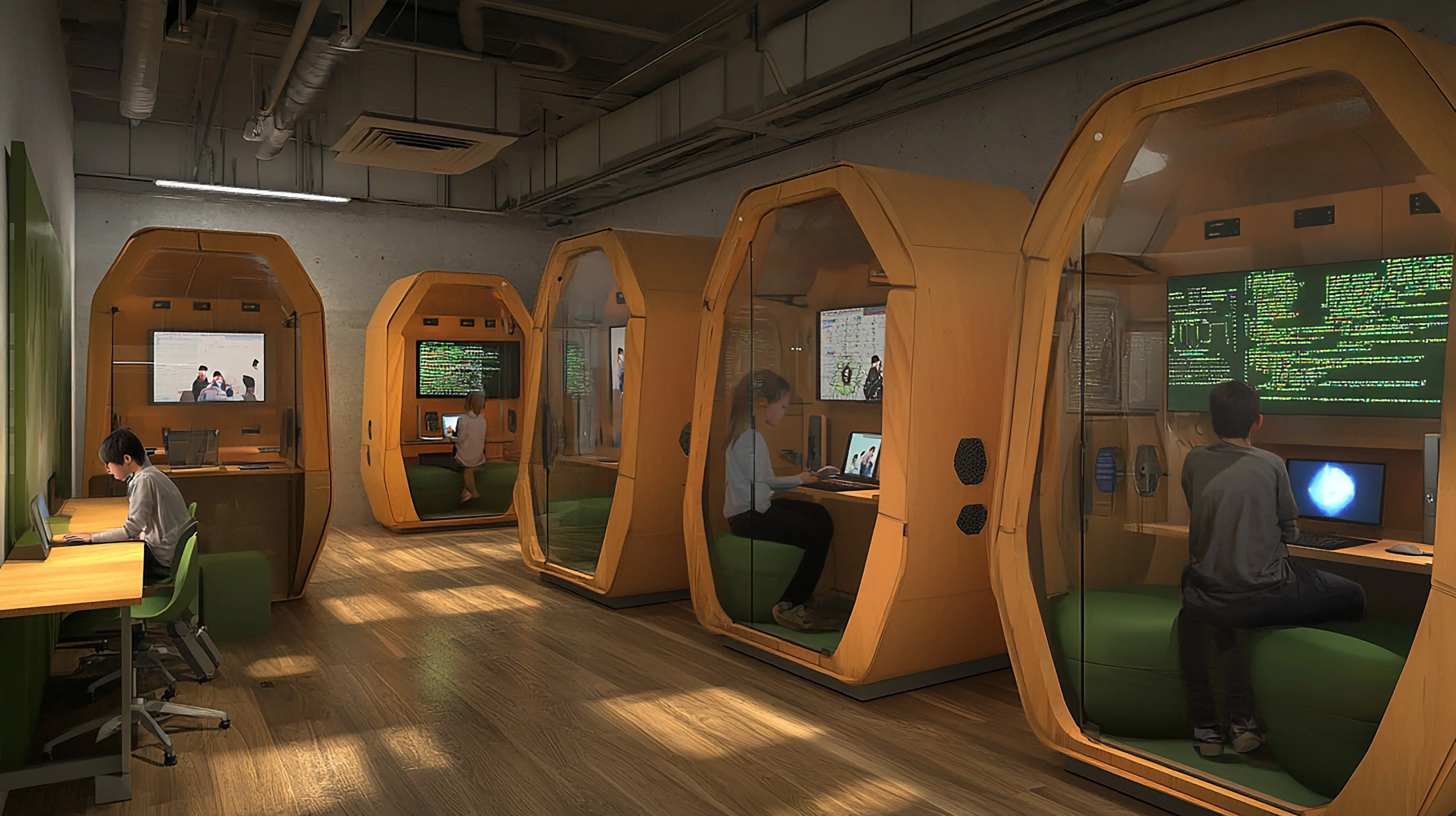
A standard conference room is designed for everyone to be in the same room. A hybrid collaboration pod is designed for half the team to be on screen and half to be present — and to make both experiences equally productive. These compact, acoustically isolated booths are equipped with fixed cameras at eye level, integrated displays, and directional microphones that eliminate the echo and background noise that plague open-plan video calls.
Leesman's Hybrid Future report found that 83% of employees say hybrid working positively affects their productivity — but that benefit only materialises when the office is physically designed to support it. Cramming a hybrid call into a hot-desk corner with a laptop camera pointed at the ceiling is not hybrid working. Purpose-built pods are.
For Indian offices running open plan layouts, where ad hoc meeting space is limited, pods offer a practical and cost-efficient solution that doesn't require structural changes or additional floor area.
| Pros | Cons |
| Purpose built AV delivers better call quality than improvised setups | Per unit cost of ₹2–₹5 lakh depending on specification |
| No structural changes required — installs on existing floor plate | Requires power and data cabling at installation |
| Frees up full boardrooms for larger meetings | AV systems need periodic maintenance |
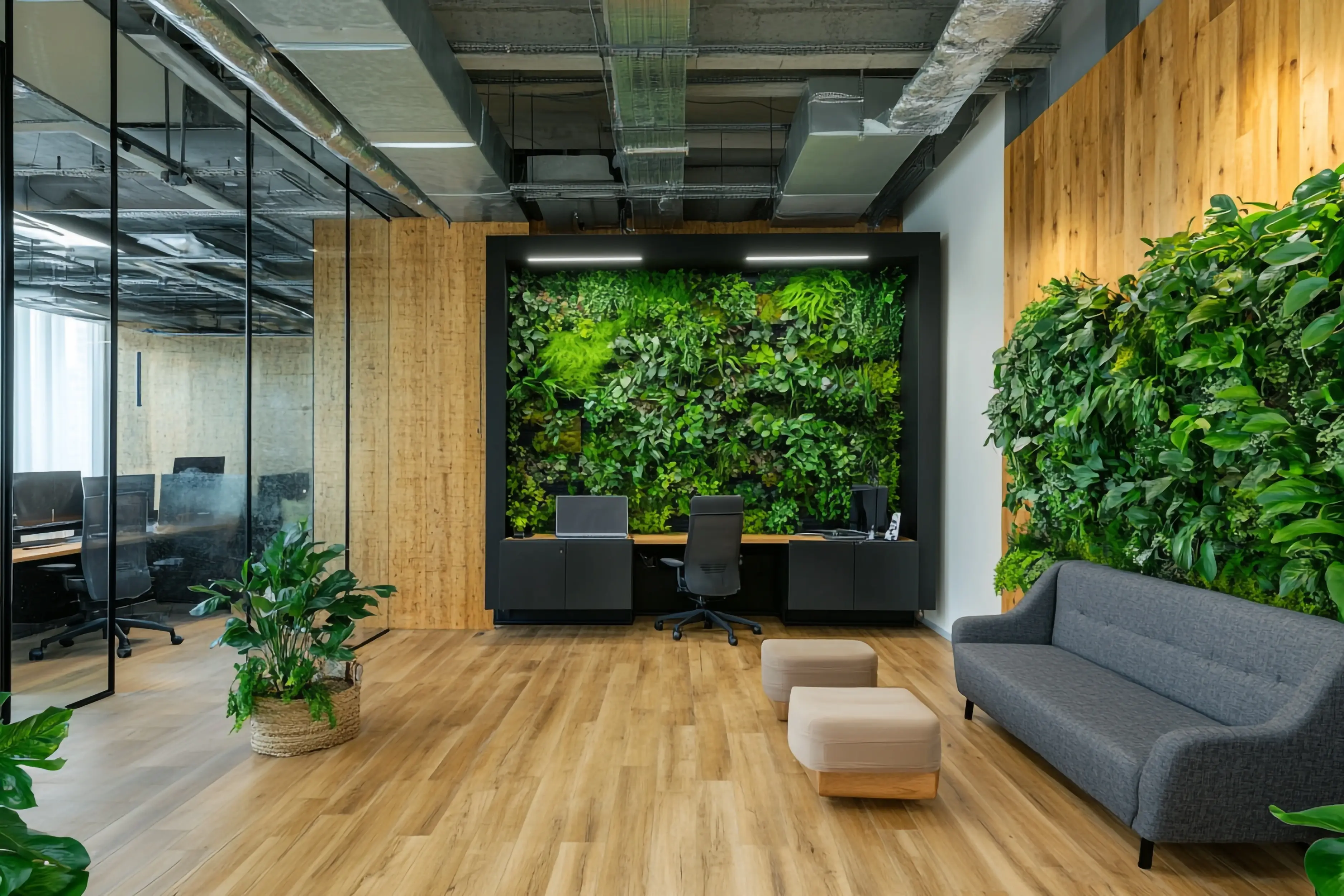
Biophilic design is the intentional integration of natural elements - living plants, timber surfaces, stone textures, water features, and access to daylight - into the built environment. It is one of the fastest-growing design movements in Indian commercial interiors, and the evidence behind it is compelling.
At Design Arc, our approach to biophilic design is grounded in practicality. We specify low-maintenance species suited to Indian indoor climates and pair them with automated irrigation systems where maintenance budgets are a concern. The result is a workspace that looks and feels alive - without requiring a dedicated horticulturist.
| Pros | Cons |
| Measurably improves productivity and well-being (multiple studies) | Live green walls require maintenance (₹5,000–₹15,000/month depending on scale) |
| Improves indoor air quality in sealed AC environments | Needs adequate natural or supplemented grow lighting |
| Strong visual impact in client-facing zones like reception and boardrooms | Artificial plants are a poor substitute - avoid as the primary feature |
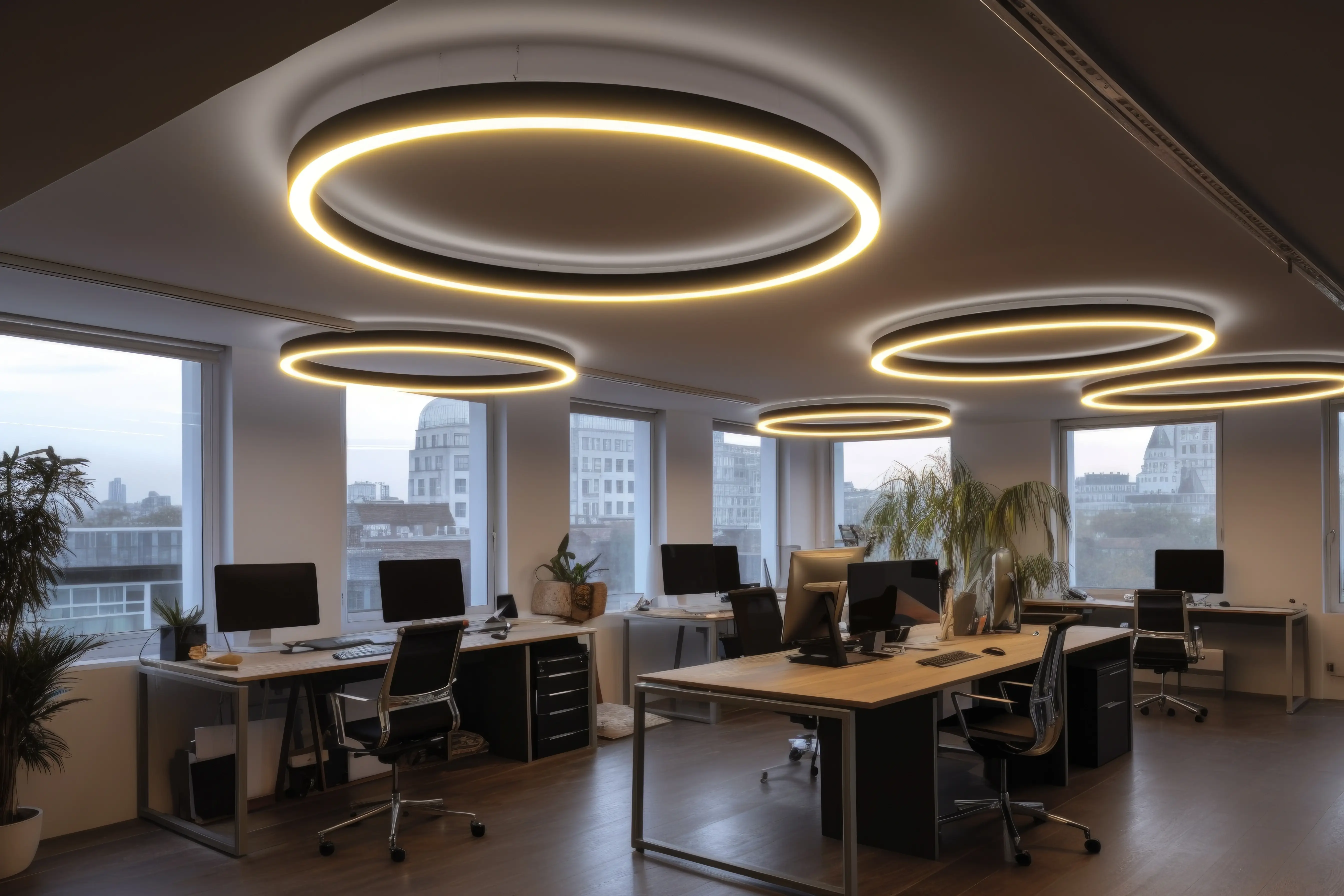
Smart lighting has moved from a premium specification to a standard expectation in Indian office fitouts above a certain grade. Occupancy-sensor LED systems that adjust brightness based on whether a zone is in use and dim or switch off automatically in empty areas ,deliver electricity savings of 30–50% compared to conventional fluorescent installations. In Indian commercial buildings, where electricity tariffs average ₹8–₹12 per unit in metro cities, this represents a real and recurring operating cost reduction.
Beyond energy efficiency, lighting has a direct and documented impact on how people feel and perform at work. Circadian-rhythm-aligned systems — which shift colour temperature from energising cool white in the morning to warmer, calming tones in the afternoon — are increasingly specified in larger corporate fitouts. They support alertness during peak productivity hours and help wind down cognitive load toward the end of the day.
| Pros | Cons |
| 30–50% reduction in electricity consumption | Initial installation cost is 40–60% higher than conventional lighting |
| Circadian lighting improves employee alertness and comfort | Sensor calibration needed after installation |
| Contributes to IGBC/LEED green building credits | Specialist maintenance may be harder to access in Tier 2 cities |
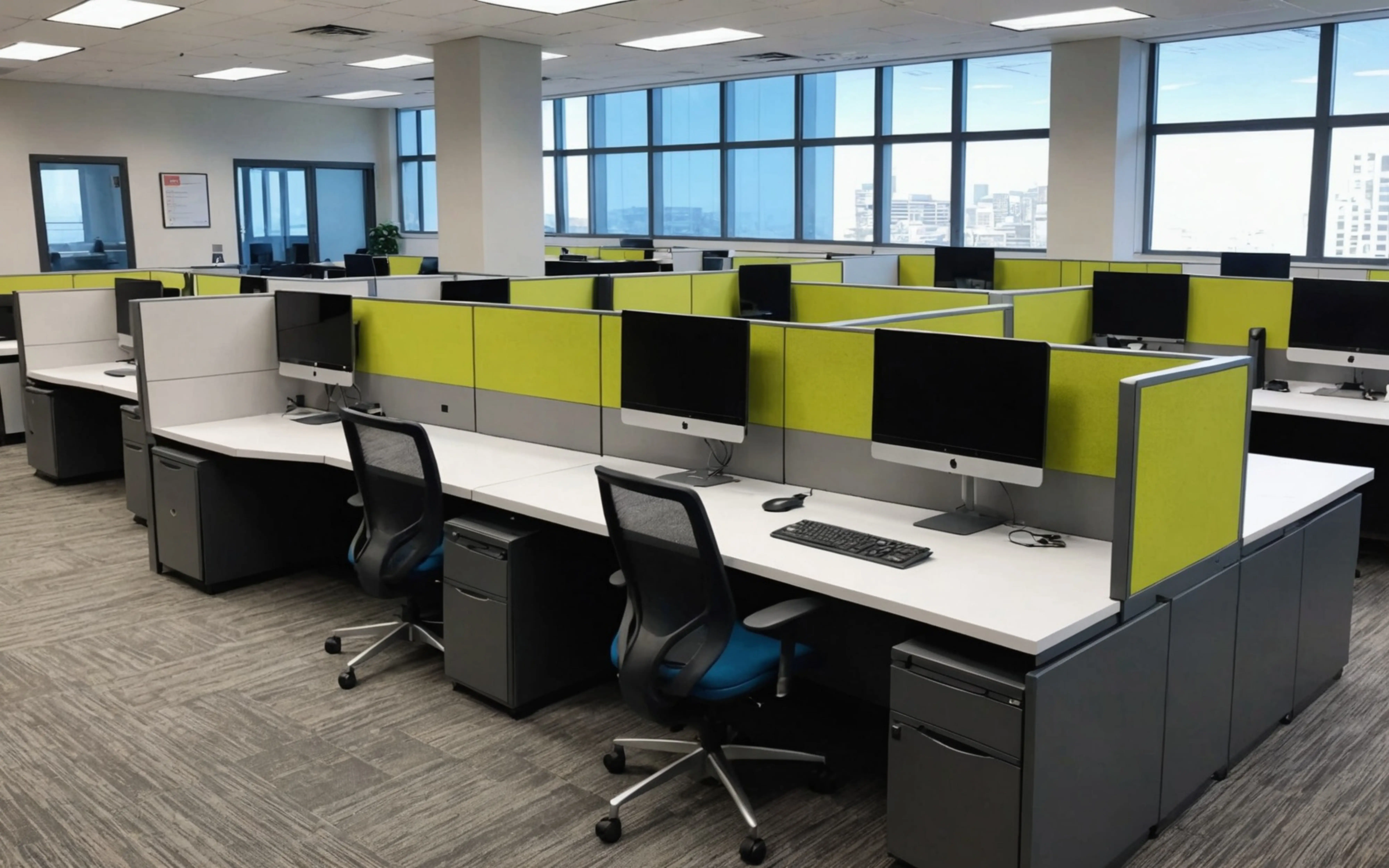
The traditional approach to office desks — fixed joinery, custom-built to the floor plan — made sense when businesses stayed in the same space for ten years and headcount was predictable. Neither of those things is reliably true for Indian companies today.
Modular workstation systems are panel-based, prefabricated desk arrangements that can be reconfigured, extended, or relocated without any demolition or construction work. They support the kind of fluid team growth that characterises Indian startups and mid-size technology companies — where headcount can double in 18 months and floor plans need to adapt without triggering a full renovation.
| Pros | Cons |
| Fully reconfigurable — no construction cost to reorganise | Less bespoke aesthetically than custom joinery |
| Supports rapid headcount growth without renovation | Higher upfront cost than basic desk setups |
| Easier and cheaper to relocate when premises change | Requires disciplined cable management from day one |
Cost range: ₹18,000–₹45,000 per workstation depending on specification, accessories, and brand.
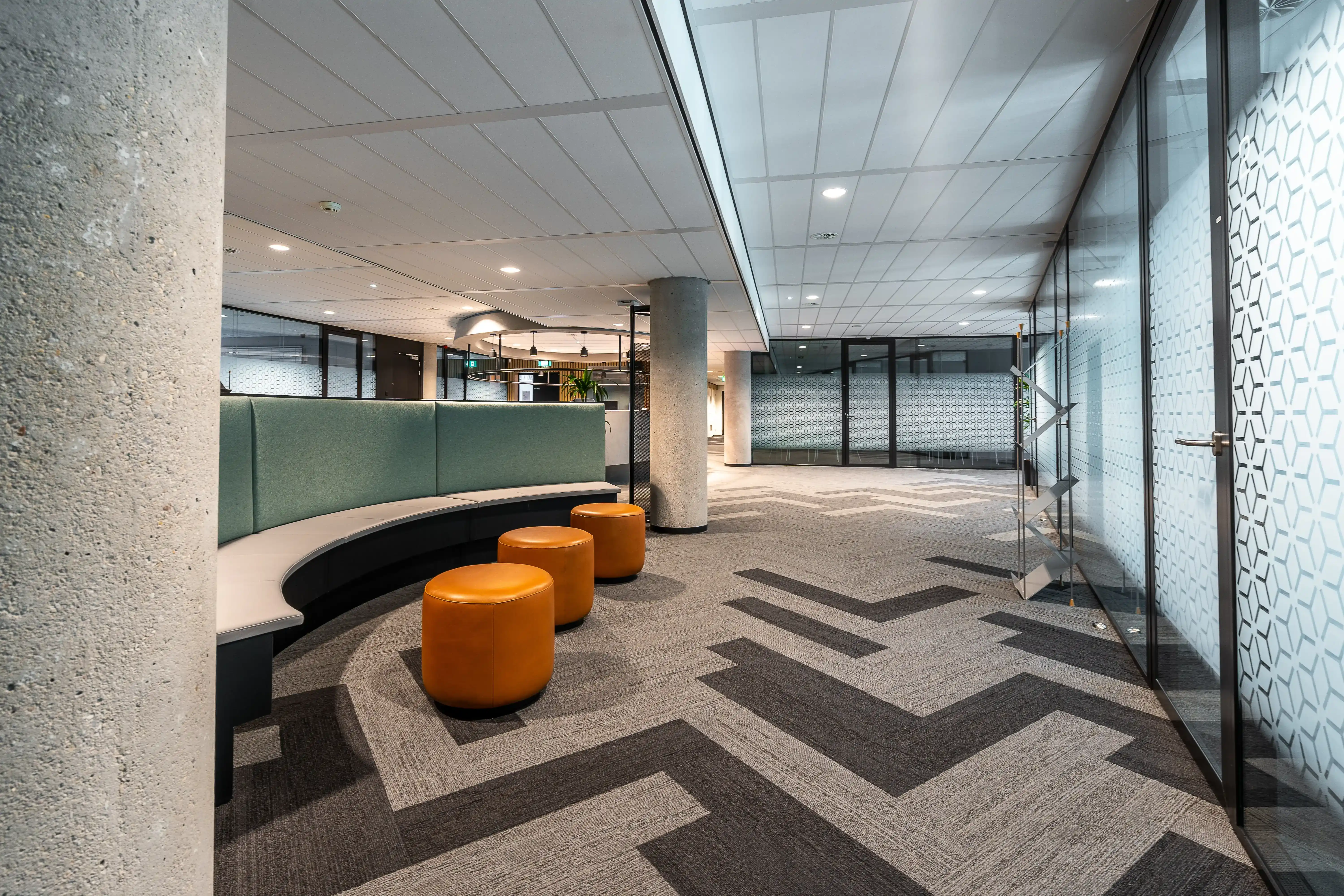
Open-plan layouts dominate Indian commercial interiors for a straightforward reason: they fit more people into less space. But without deliberate acoustic design, open-plan offices create a productivity problem.
Acoustic zoning addresses this by treating sound as a design material. Ceiling baffles absorb reverberant noise from above. Upholstered partition screens reduce lateral sound transmission between workstations. Carpet and soft furnishings in collaboration zones dampen impact noise. Strategic placement of phone booths and pods creates acoustic relief without breaking the open-plan feel.
At Design Arc, we use acoustic mapping software during the design phase to model how sound will behave on the completed floor plate before a single panel is ordered. This prevents the common mistake of over-treating some zones while leaving others acoustically exposed.
| Pros | Cons |
| Directly improves focus — addresses the number one complaint in Indian open-plan offices | Acoustic assessment adds to early-stage design cost |
| No loss of open-plan character when designed correctly | Ceiling-mounted solutions require structural access for fixing |
| Reduces meeting room dependency by creating private conversation zones on the floor | Poorly designed acoustic treatment can feel oppressive rather than calming |
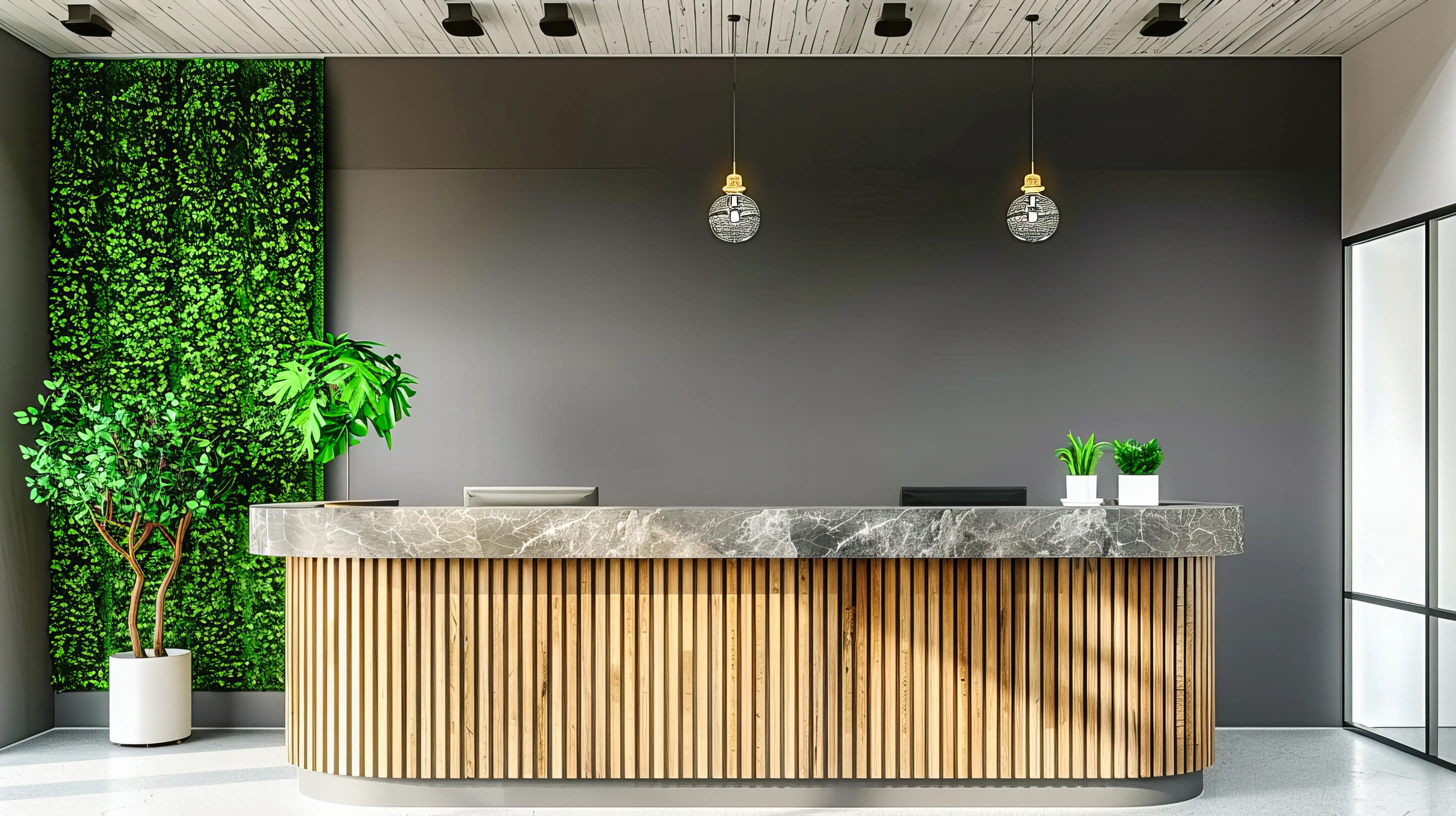
The reception area is the first physical statement your company makes. Every client who walks in for a pitch, every candidate who arrives for an interview, every new joiner on their first day — they read the space before anyone says a word. In 2026, leading Indian companies are designing reception zones as active brand expressions, not passive waiting rooms.
This means integrating custom-fabricated brand typography, material palettes drawn directly from brand identity guidelines, digital display walls that show live project work or company culture content, and spatial layouts that create a moment of arrival rather than a queue for the front desk.
Our experience centre projects for clients including Address Advisors and Bajaj Finserv used reception zones that doubled as interactive brand showcases — with physical product integrations and digital touchpoints that turned the welcome experience into a commercial conversation starter.

Dedicated wellness infrastructure — meditation rooms, prayer rooms, lactation rooms, quiet recovery zones — has moved from a large-MNC-only specification to a mainstream expectation in Indian offices above 10,000 sq ft. The driver is not altruism. It is retention.
Deloitte's global well-being research found that 60% of employees are actively considering leaving their current employer for a role that better supports their overall well-being. In India's tight talent market — particularly in technology, BFSI, and consulting — that statistic represents a direct commercial risk. A thoughtfully designed wellness room costs a fraction of what a single mid-level replacement hire costs in recruitment fees and onboarding time.
| Pros | Cons |
| Strong retention signal, particularly for employees aged 25–40 | Requires 200–400 sq ft of dedicated floor area |
| Supports diversity, equity and inclusion commitments | Poorly designed wellness rooms go unused — design quality matters |
| Measurably reduces absenteeism linked to workplace stress | Needs a usage policy and maintenance routine to function well |

Sustainability in Indian office design has shifted from a marketing line to a cost strategy. The practical case is straightforward: low-VOC paints improve indoor air quality in sealed office environments, reducing sick-day frequency. FSC-certified timber panels and fly-ash concrete for partition walls are now competitively priced against conventional alternatives because Indian manufacturers have scaled production. And IGBC or BEE Green Building certification genuinely reduces operating costs over a building's lifetime — in some Indian municipalities, certified buildings also benefit from reduced commercial property charges.
At Design Arc, we source 60–70% of project materials from Indian manufacturers on most fitouts. This reduces supply chain lead times, supports local industry, and keeps costs competitive — while delivering the material quality our clients expect at a premium specification.
| Pros | Cons |
| Low-VOC materials improve indoor air quality and reduce sick days | Certified sustainable materials still carry a 10–20% premium upfront |
| Locally sourced materials reduce lead times and support cost control | Availability of certain certified products is limited outside major cities |
| IGBC/BEE certification reduces long-term operating costs | Certification process adds to project timeline if pursued from scratch |
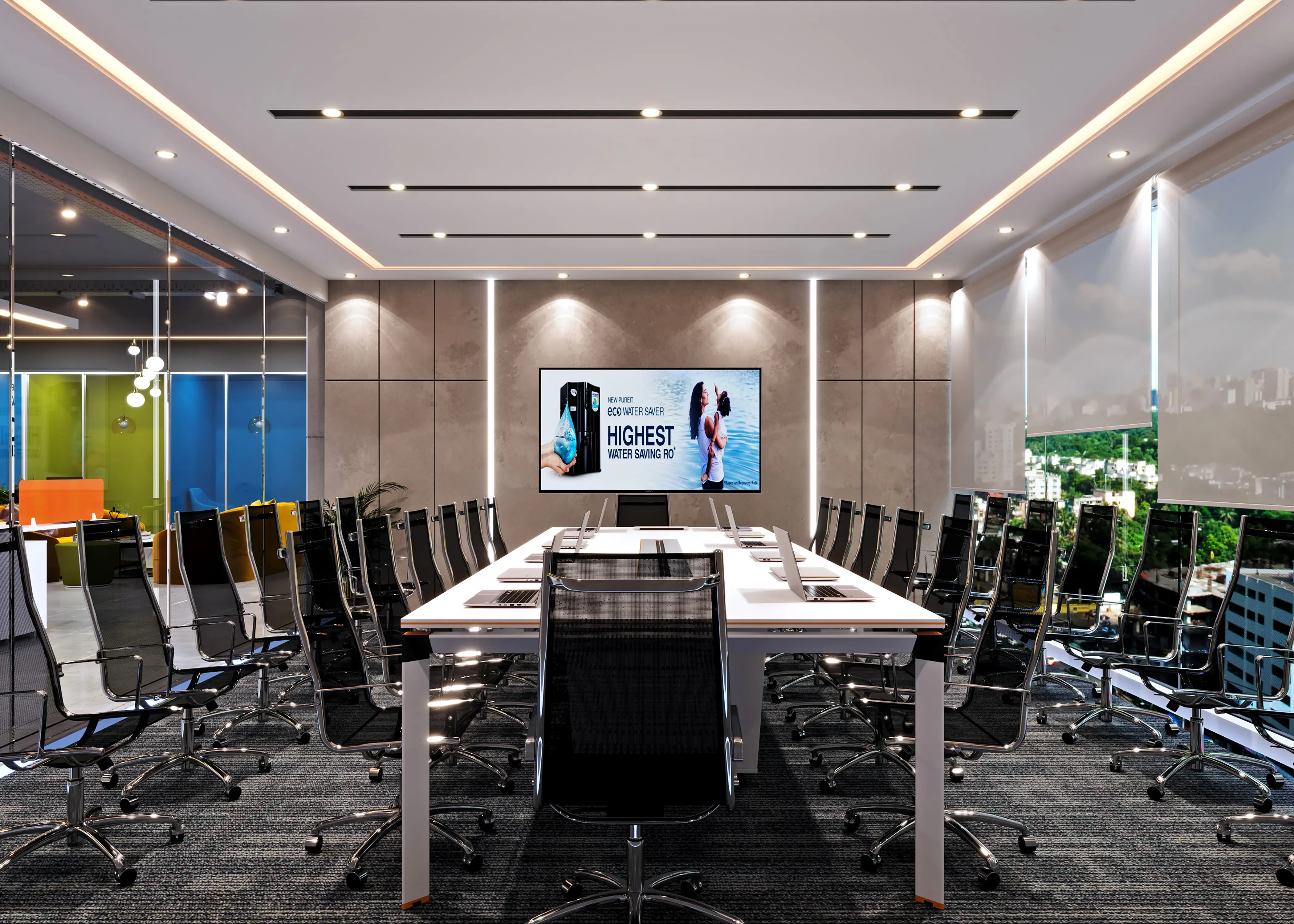
A conference room that hosts three meetings a day and sits empty the rest of the time is expensive real estate in an Indian metro city. The alternative gaining traction is the multi-functional meeting space — a room designed from the outset to serve multiple purposes through movable walls, reconfigurable furniture, and flexible AV infrastructure.
The same space that functions as a 12-person boardroom on Monday morning can be reconfigured as a 30-person training room by Tuesday afternoon, or opened fully into an all-hands town hall space for 60 people by Friday. The key is designing the reconfiguration to be fast and intuitive — a facilities team member should be able to change the room's configuration in under 20 minutes without tools.
In Indian offices where real estate costs run at ₹80–₹200 per sq ft per month in metro locations, reducing the total number of dedicated meeting rooms by 20–30% through multi-functional design releases meaningful floor area for revenue-generating workstations or collaboration zones.
| Pros | Cons |
| Reduces total meeting room count required — directly saves real estate cost | Movable wall systems add capital cost (₹3,000–₹8,000 per sq ft) |
| Single room serves 4–60 people depending on configuration | AV systems must be flexible enough for multiple room sizes |
| Maximises room utilisation rate across the working week | Room resets between configurations require trained facilities staff |
Since 2012, Design Arc Interiors has delivered over 500 commercial interior projects across India — from 2,000 sq ft startup offices to enterprise campuses above 100,000 sq ft for organisations including IBM, Bajaj Finance, Tata Health, Mahindra, and Myntra. Every project in our portfolio begins with the same foundation: a deep understanding of how your business works, what your brand stands for, and what your people need to do their best work.
Our process — Consult, Design, Execute — is designed to give you clarity and control at every stage, with 3D visualisation and real-time project dashboards keeping you informed from concept to handover. Whether you are planning a new office, expanding an existing one, or undertaking a full renovation without disrupting operations, we offer a free design consultation to map out your options and realistic budget before you commit to anything.
Ans: The best office interior design ideas for 2026 include modular workstations, activity-based work zones, hybrid collaboration pods, smart lighting ecosystems, and multi-functional meeting spaces that improve workplace flexibility and productivity.
Modern office interior design improves productivity by creating ergonomic work environments, reducing workplace distractions through acoustic solutions, and optimizing lighting conditions to enhance employee comfort and focus.
Ans: Yes, modular workstations are ideal for growing companies as they allow organizations to reconfigure seating layouts without structural changes, making it easier to accommodate team expansion.
Ans: Biophilic office design integrates natural elements such as indoor plants and daylight into the workspace, helping reduce mental fatigue, improve air quality, and enhance employee well-being.
Ans: Smart lighting systems equipped with motion sensors and daylight-responsive LEDs can reduce electricity consumption and minimize air conditioning load, resulting in lower monthly operational expenses.
Ans: Wellness rooms provide employees with relaxation spaces that support mental recovery during work hours, helping maintain engagement and reduce workplace stress.
Ans: Yes, multi-functional meeting rooms with movable partitions and convertible furniture allow businesses to use the same space for training sessions, team discussions, or presentations.